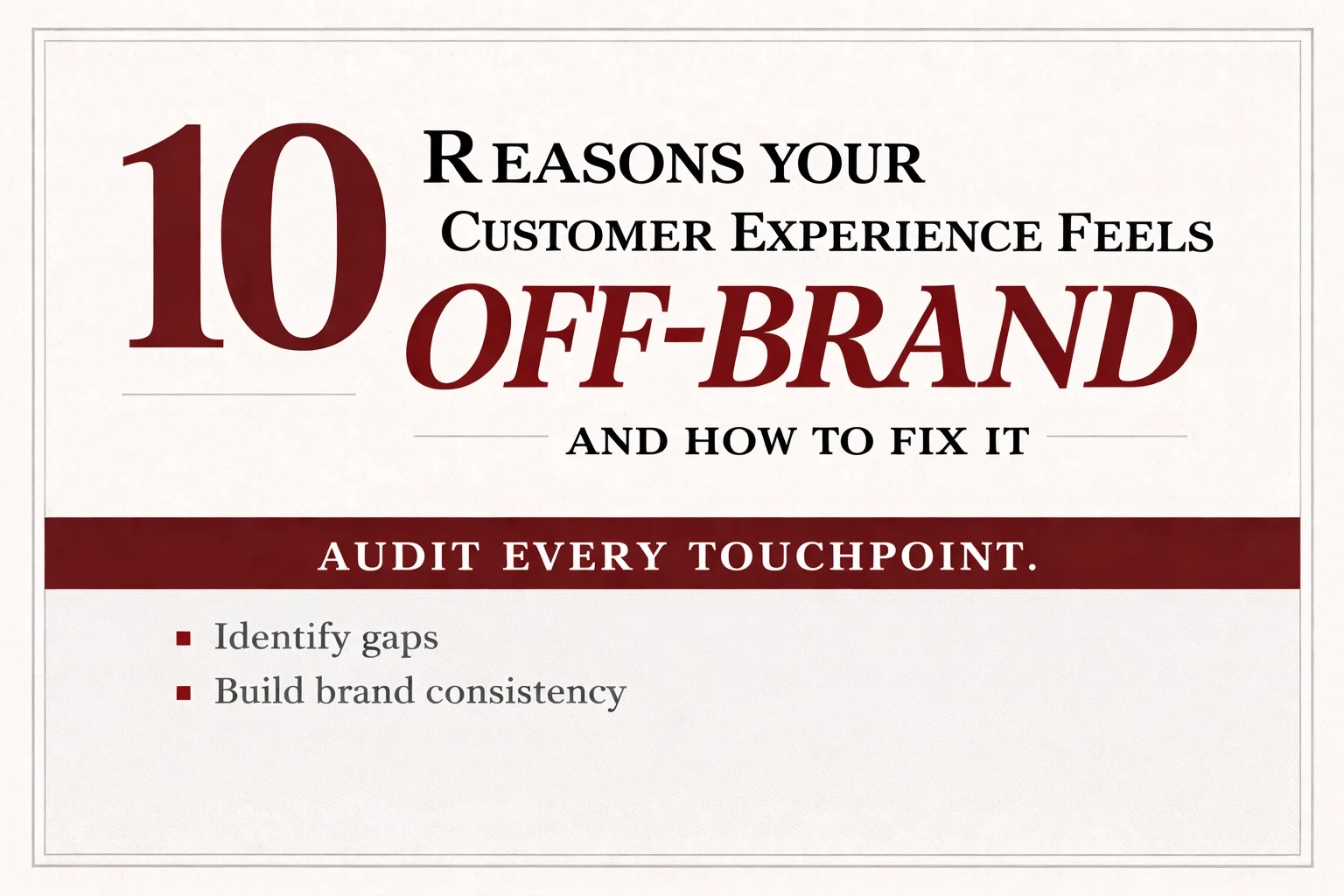
Your brand is lying to your customers. Not intentionally, of course. You're probably a lovely person with excellent intentions and a mood board full of aspirational adjectives like authentic and customer-first.
And yet. Here we are.
Your customer experience feels like it was designed by a committee of strangers who've never met each other: or your brand guidelines. Your website says one thing. Your support team says another. Your checkout process says nothing at all, just screams quietly into the void.
How delightful.
Let's dissect exactly where it all went wrong, shall we?
1. Your Messaging Has Multiple Personalities
Your website sounds like a TED Talk. Your emails sound like a used car salesman. Your social media sounds like an intern who discovered exclamation points.
This isn't quirky. It's confusing.
The fix: Pick a voice. One voice. Write it down. Make everyone read it. Then make them read it again. Your brand guidelines aren't decorative: they're functional documents that should haunt every piece of content you create.
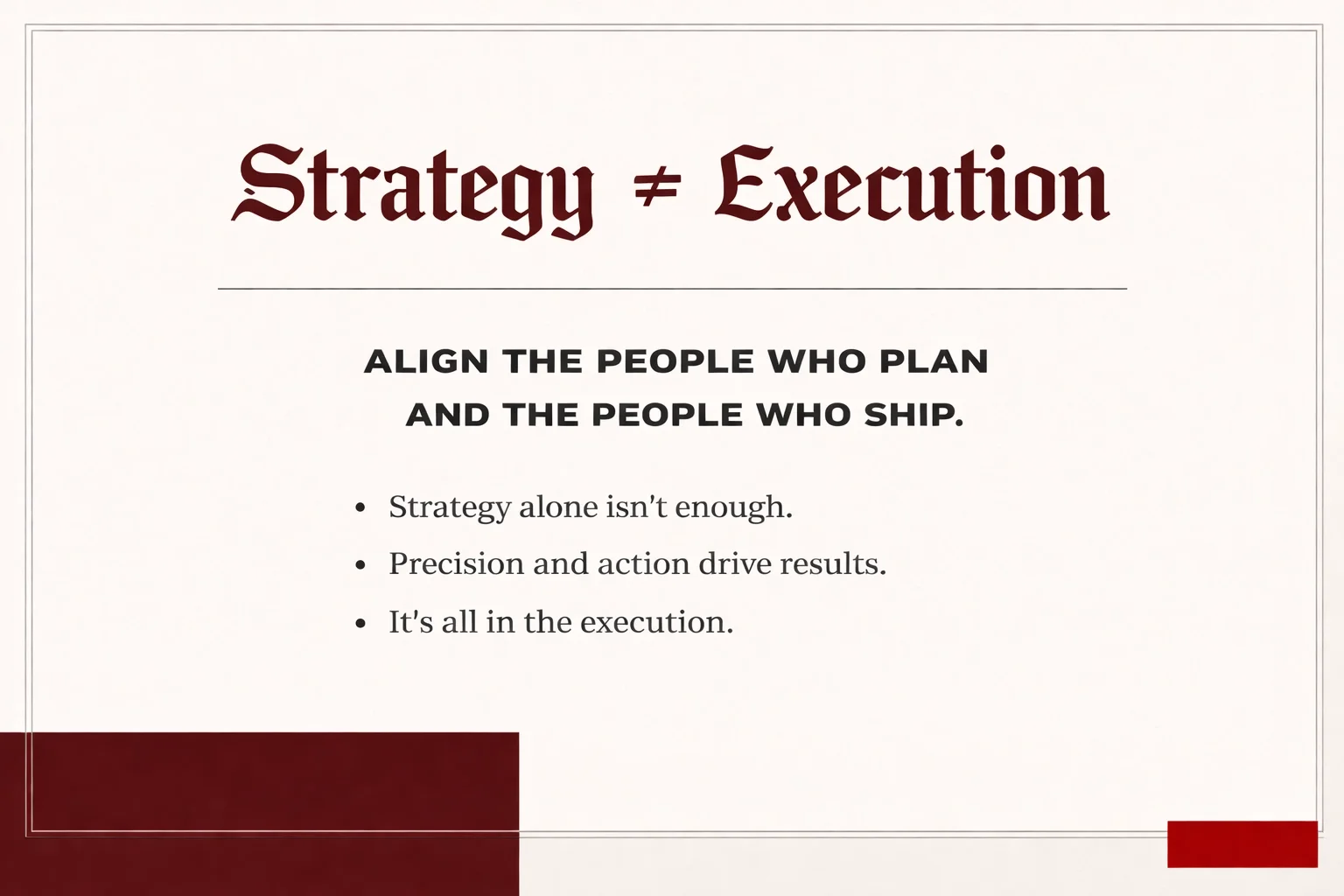
2. Your Brand Strategy Lives in a PDF No One Opens
You paid someone a lot of money to create a brand strategy. It's beautiful. It has gradients. It's sitting in a Google Drive folder labeled "Final_FINAL_v3."
Meanwhile, your contractors are writing copy based on vibes and whatever your competitor did last week.
The fix: Bridge the gap between the people who think about your brand and the people who execute it. That means actual communication. Meetings. A shared copy deck. Revolutionary, I know.
3. You Over-Promise Like It's a Personality Trait
Your marketing says you'll transform lives. Your product delivers adequate functionality and a PDF receipt.
Customers notice this discrepancy. They talk about it. Mostly in one-star reviews.
The fix: Be honest about what you actually deliver. Radical transparency isn't just ethical: it's strategic. Set expectations you can exceed, not ones that require a miracle and a time machine.
4. Your Customer Support Is a Hostage Situation
Nothing says "we value you" quite like a 47-minute hold time, a chatbot that only understands the word "help," and an agent who sounds like they're reading from a script written in 2014.
Your brand claims to care about customers. Your support experience suggests otherwise.
The fix: Train your humans to be human. Use AI for the boring stuff: order tracking, FAQ regurgitation: but give customers a clear escape route to an actual person when things get complicated. Empathy isn't scalable, but it is memorable.
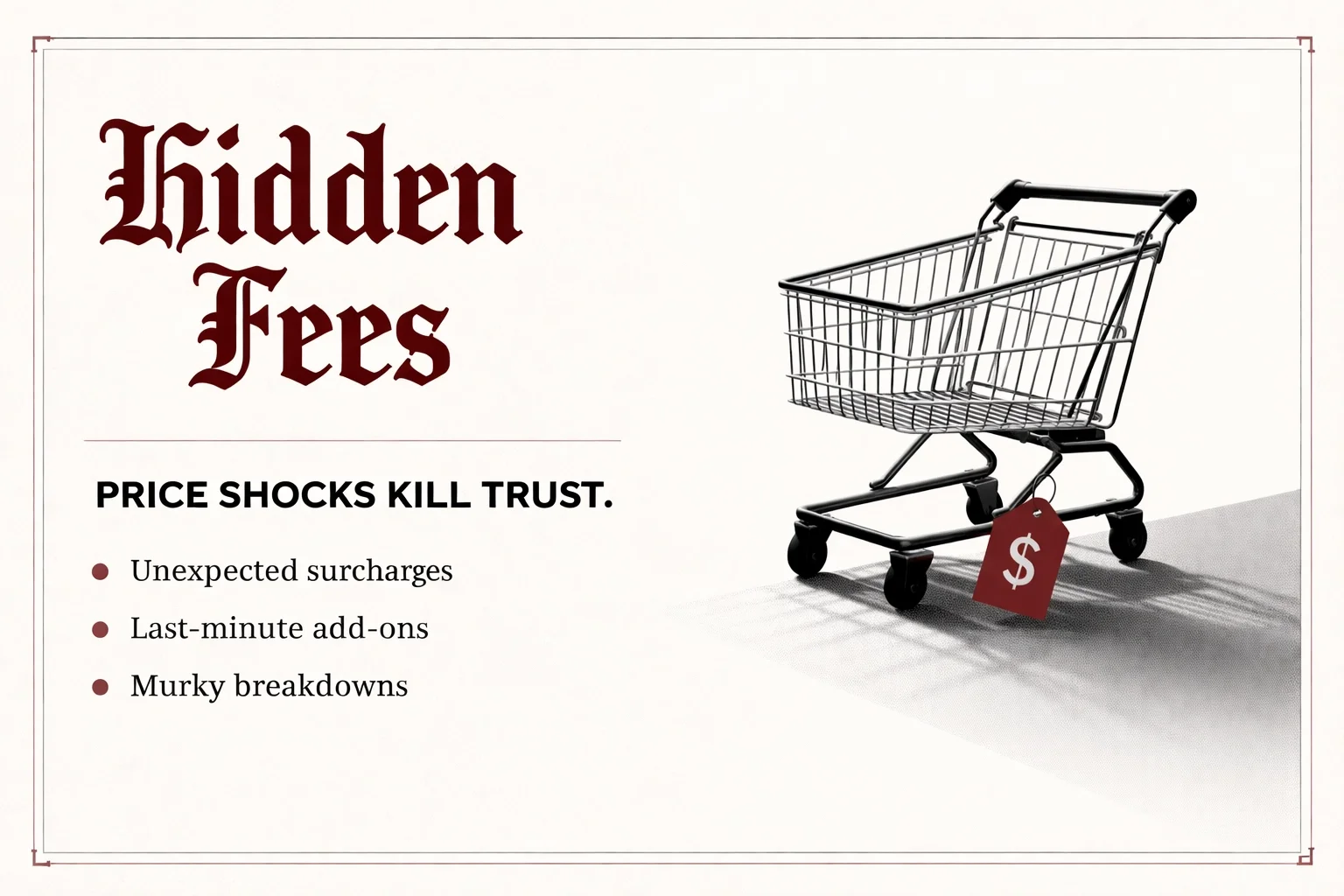
5. Your Hidden Fees Are Not as Hidden as You Think
Surprise! That $49 product is actually $67 after shipping, handling, and whatever "convenience fee" means.
Customers don't find this delightful. They find the exit.
The fix: Show all costs upfront. Before checkout. Before they fall in love with the idea of owning your product. Transparency builds trust. Hidden fees build resentment and abandoned carts.
6. Your Checkout Process Is a Maze Designed by a Sadist
Forced account creation. Seventeen form fields. A CAPTCHA that's genuinely impossible. A password that requires a hieroglyph and a blood sacrifice.
Your brand says effortless. Your checkout says good luck.
The fix: Enable guest checkout. Auto-fill what you can. Ask for the account creation after they've already committed to giving you money. Friction is the enemy of conversion: and of your "seamless customer experience" claim.
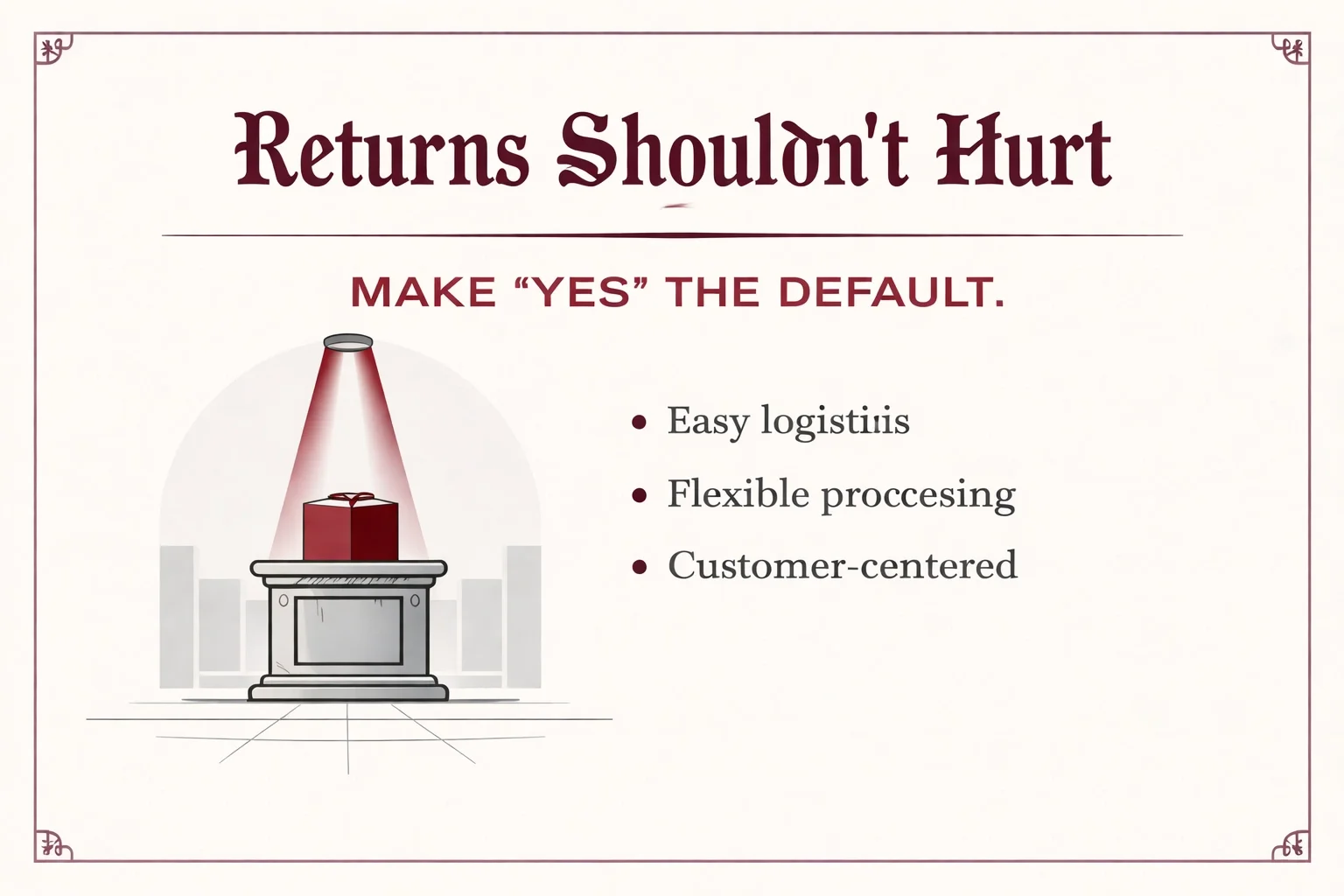
7. Returning Something Feels Like Filing a Lawsuit
Your return policy exists. Technically. It's buried in your footer, written in legal jargon, and requires customers to perform a small ritual involving original packaging, a receipt from six months ago, and unshakeable determination.
This does not align with your "customer-first" positioning.
The fix: Make returns easy. Extend windows. Provide labels. Offer alternatives like exchanges or store credit. A painless return process doesn't lose customers: it builds loyalty for the next purchase.
8. Your Website Navigation Is a Choose-Your-Own-Adventure (With No Good Endings)
Users can't find your pricing. They can't find your contact page. They clicked three times and somehow ended up on a blog post from 2019 about "synergy."
Your brand is supposed to be intuitive. Your website is a labyrinth.
The fix: Simplify your navigation. Use clear categories. Implement a search function that actually works. And for the love of all that is holy, test it on mobile. Most of your traffic is on a phone, squinting at tiny text and rage-tapping broken buttons.
9. You Treat Loyal Customers Like Strangers
Your repeat customers: the ones who've bought from you five times, recommended you to friends, and actually open your emails: get the same generic experience as someone who just wandered in from a Google ad.
That's not just a missed opportunity. It's mildly insulting.
The fix: Recognize loyalty. Implement a program that actually rewards repeat behavior: discounts, early access, a simple "thank you" that doesn't feel automated. Make your best customers feel like they matter more than your acquisition budget.
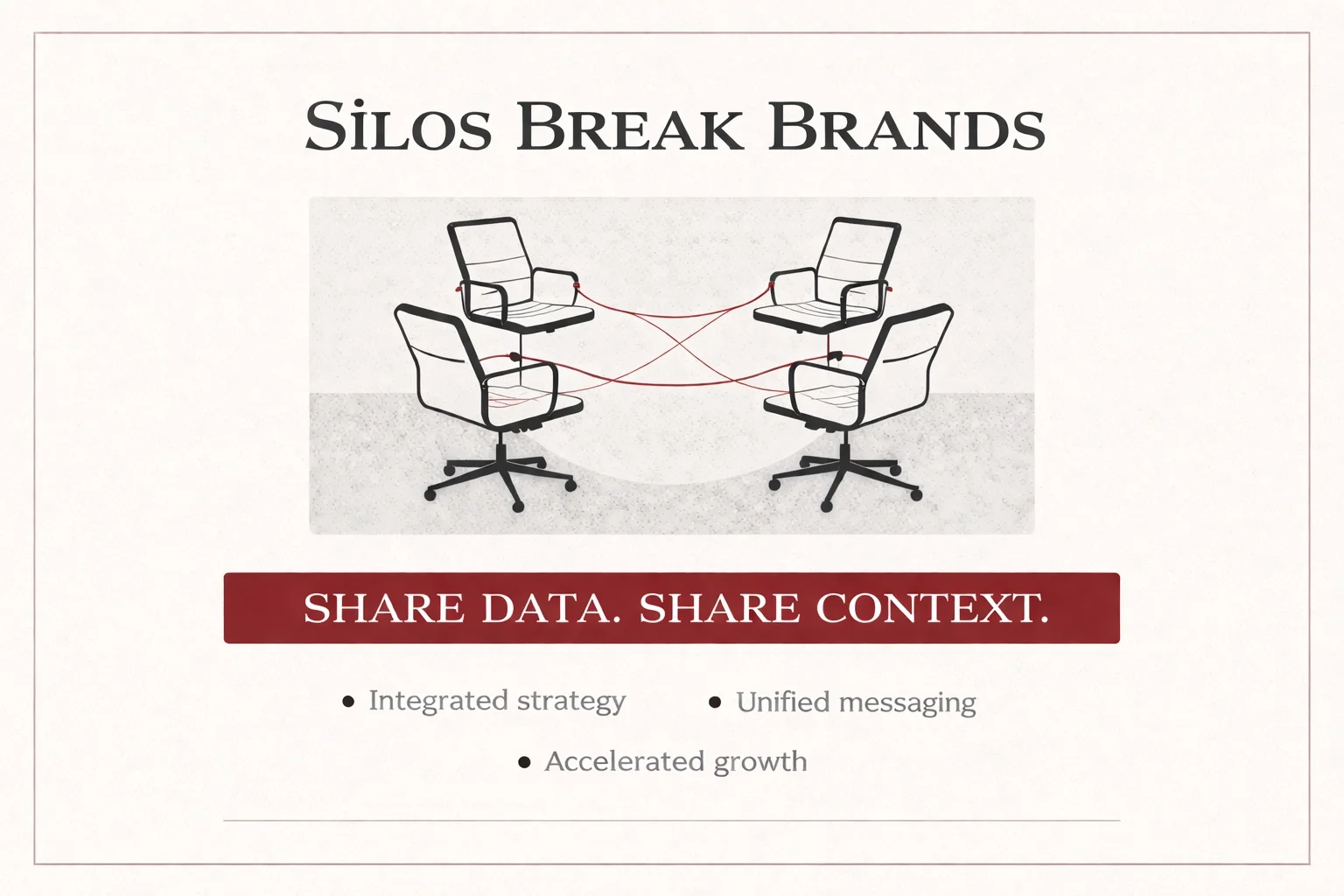
10. Your Departments Don't Talk to Each Other
Marketing doesn't know what sales promised. Sales doesn't know what support is dealing with. Support doesn't know what marketing is saying. Everyone has a different understanding of who your customer is and what they want.
The result? An experience that feels fragmented, inconsistent, and vaguely schizophrenic.
The fix: Break down the silos. Share customer data across teams. Treat the customer journey as one continuous relationship: not a series of disconnected transactions owned by different people with competing KPIs.
Why This Matters
Here's the uncomfortable truth: your brand isn't what you say it is. It's what customers experience.
You can have the most beautiful visual identity, the most carefully crafted positioning statement, the most thoughtful brand strategy: and none of it matters if every touchpoint contradicts it.
Customer experience is brand experience. Every support ticket. Every checkout flow. Every email that lands in their inbox. It's all brand.
When these experiences feel off-brand, customers don't just notice. They feel it. Something's wrong, even if they can't articulate what. And that feeling erodes trust faster than any competitor ever could.
Consistency isn't boring. It's the foundation of every brand that actually works.
The Bottom Line
Your customer experience is either reinforcing your brand or undermining it. There's no neutral.
So. Audit your touchpoints. Fix the gaps. Stop letting your checkout process and your support team undo all the work your marketing is doing.
Your brand makes promises. Your customer experience keeps them: or breaks them.
Choose wisely.
Need help aligning your customer experience with your actual brand? Let's talk. We don't do fluff. We do strategy that works.
